Grafting Sites
Graft — a piece of living tissue (such as skin, bone, or a plant shoot) physically joined to a new host to grow or heal as one entity.
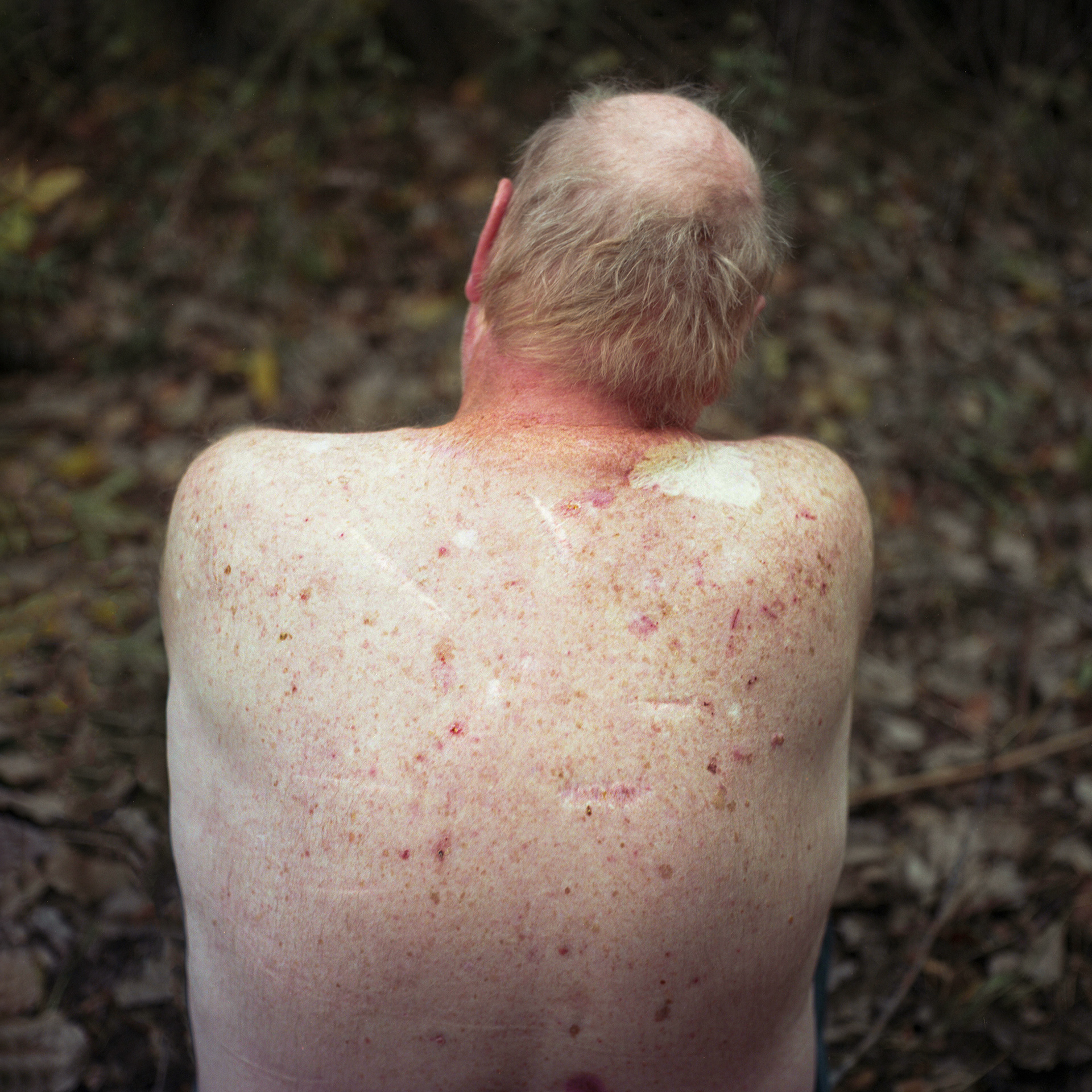
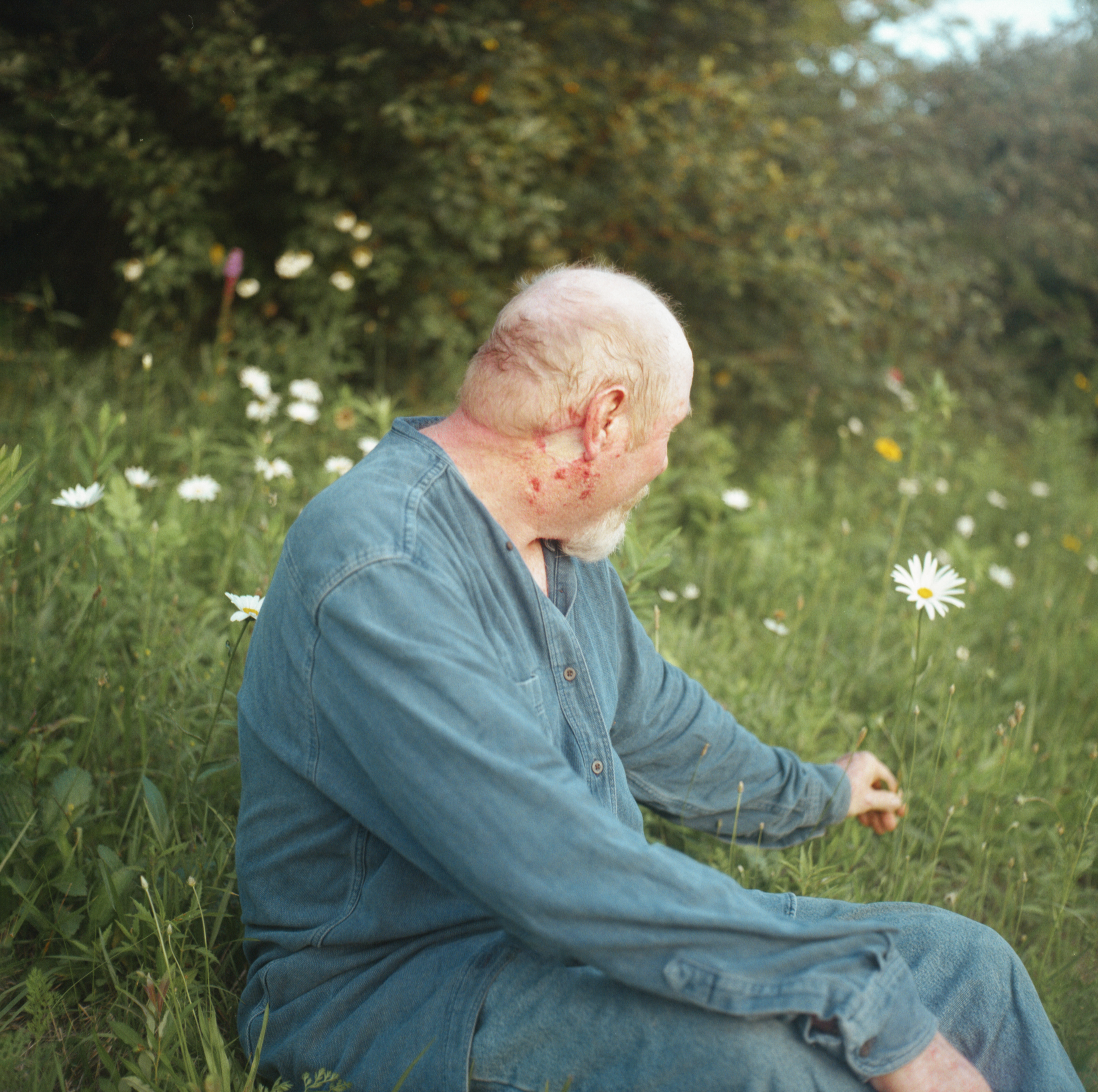
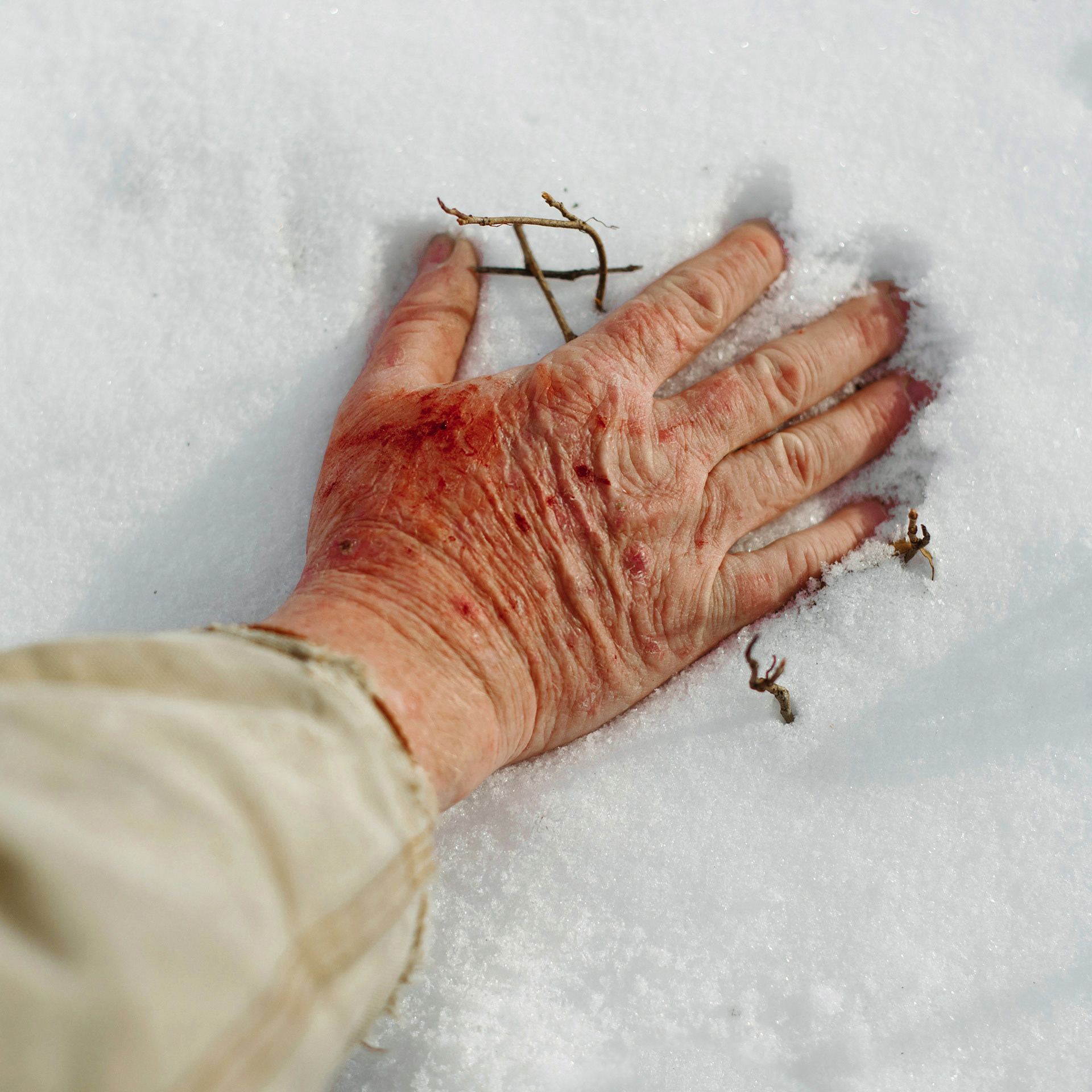
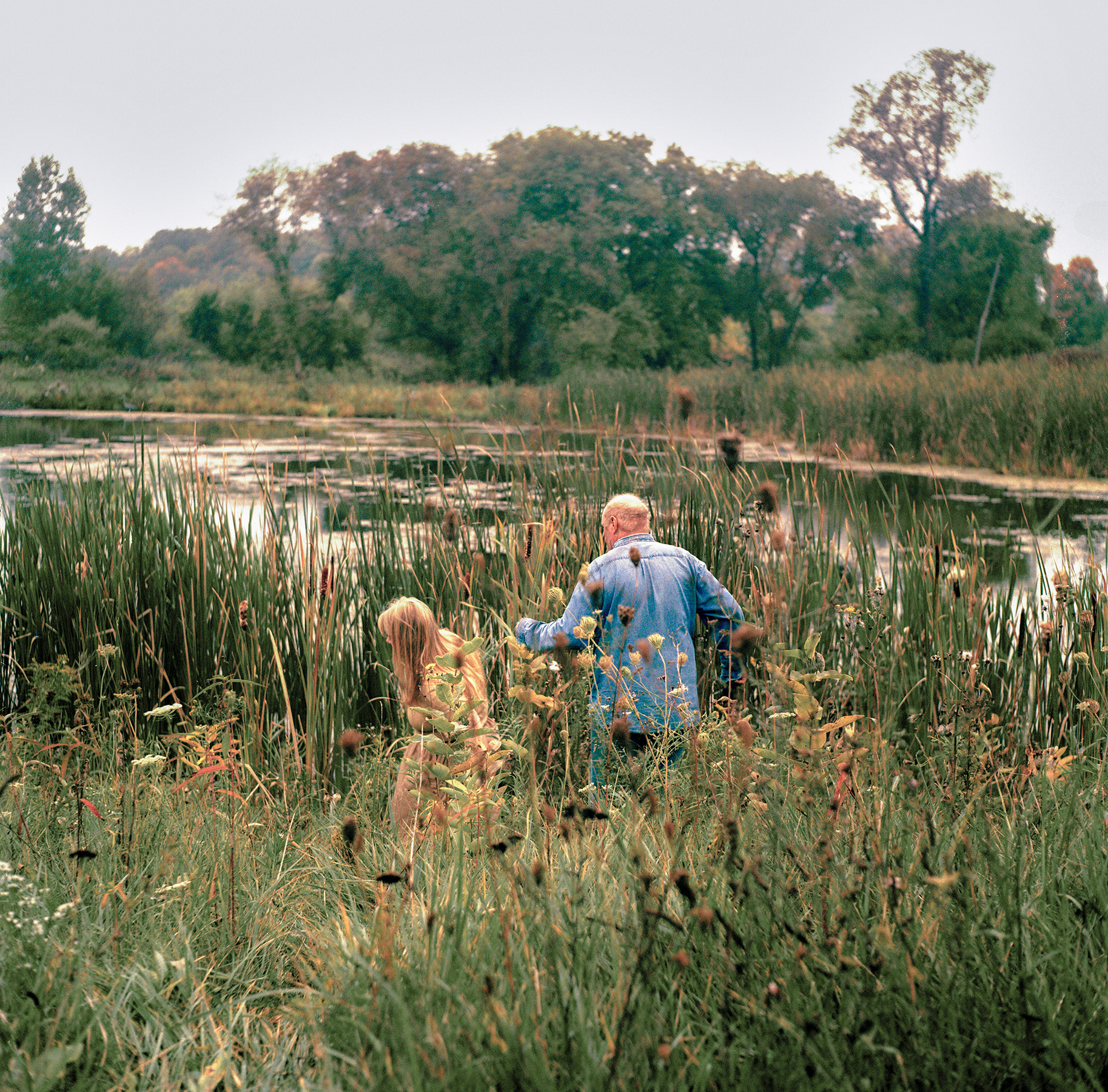
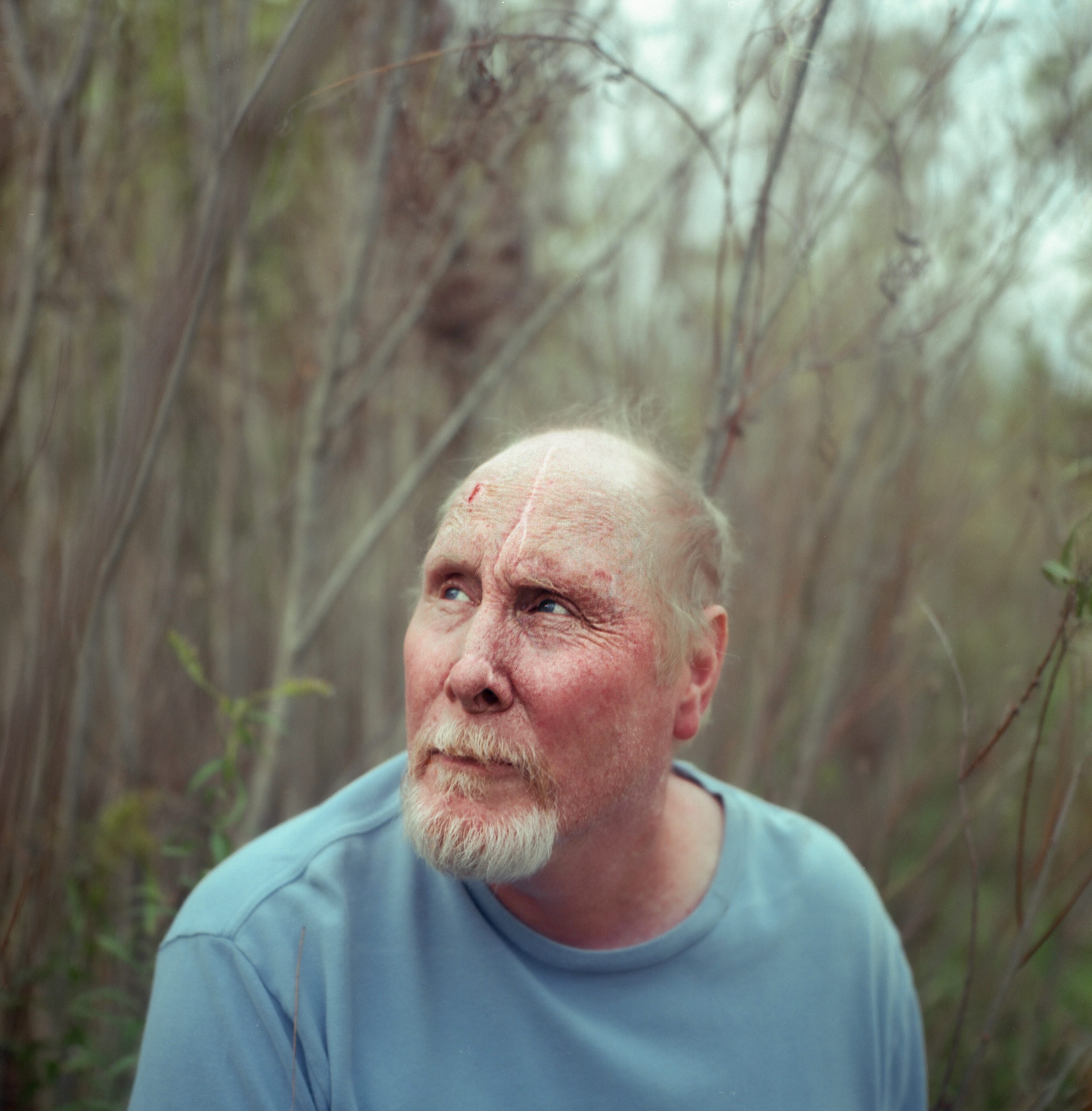
Grafting Sites is an ongoing photographic collaboration with my father that examines working-class labor, family folklore, and ecological knowledge through the lens of adaptation. My father worked in the road construction industry from the age of fourteen until a workplace accident ended his career decades later. He now spends much of his time caring for his rural Michigan property while navigating disability, chronic pain, and memory loss. This project traces the physical progression and psychological remnants of injury and repair through methods and metaphors of grafting.
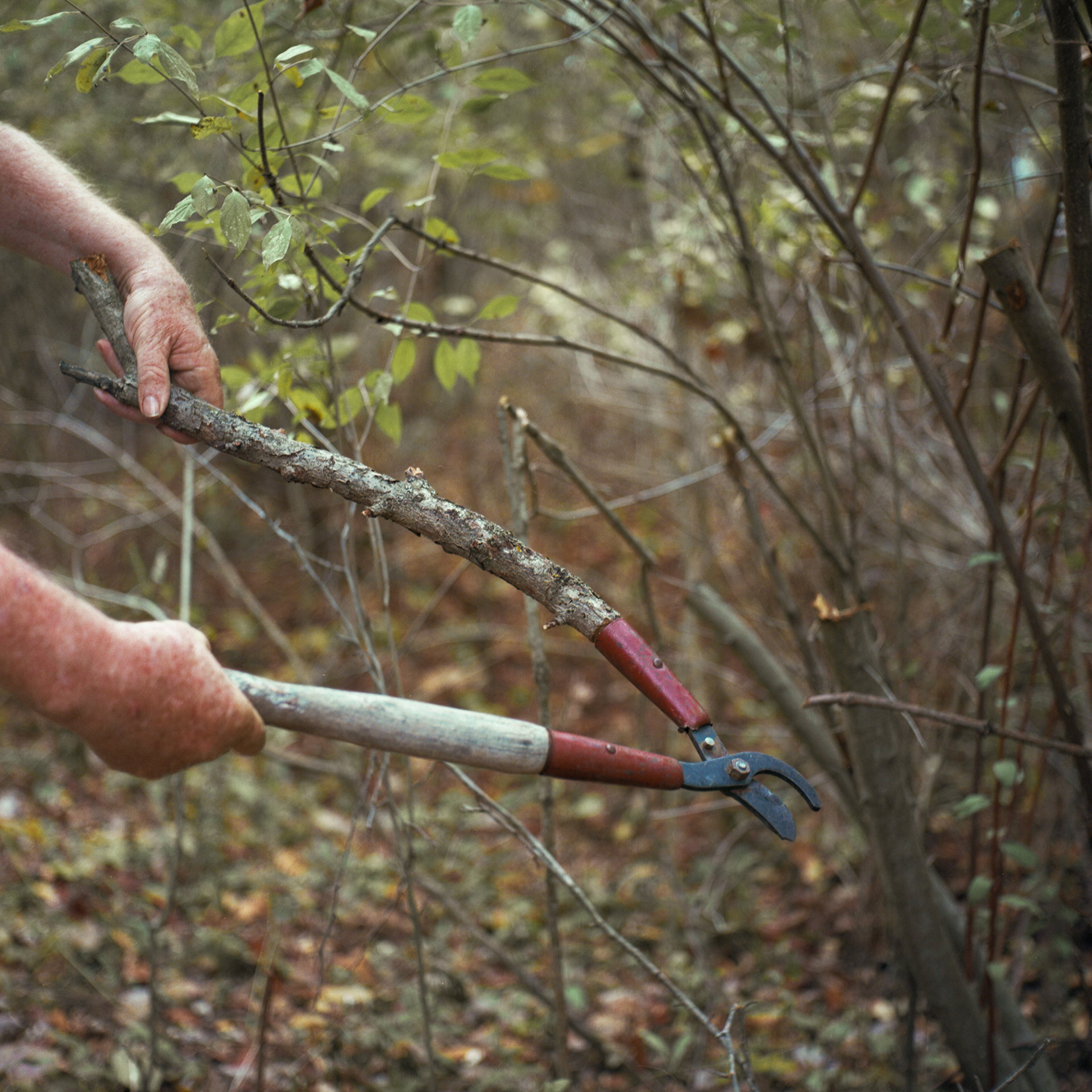
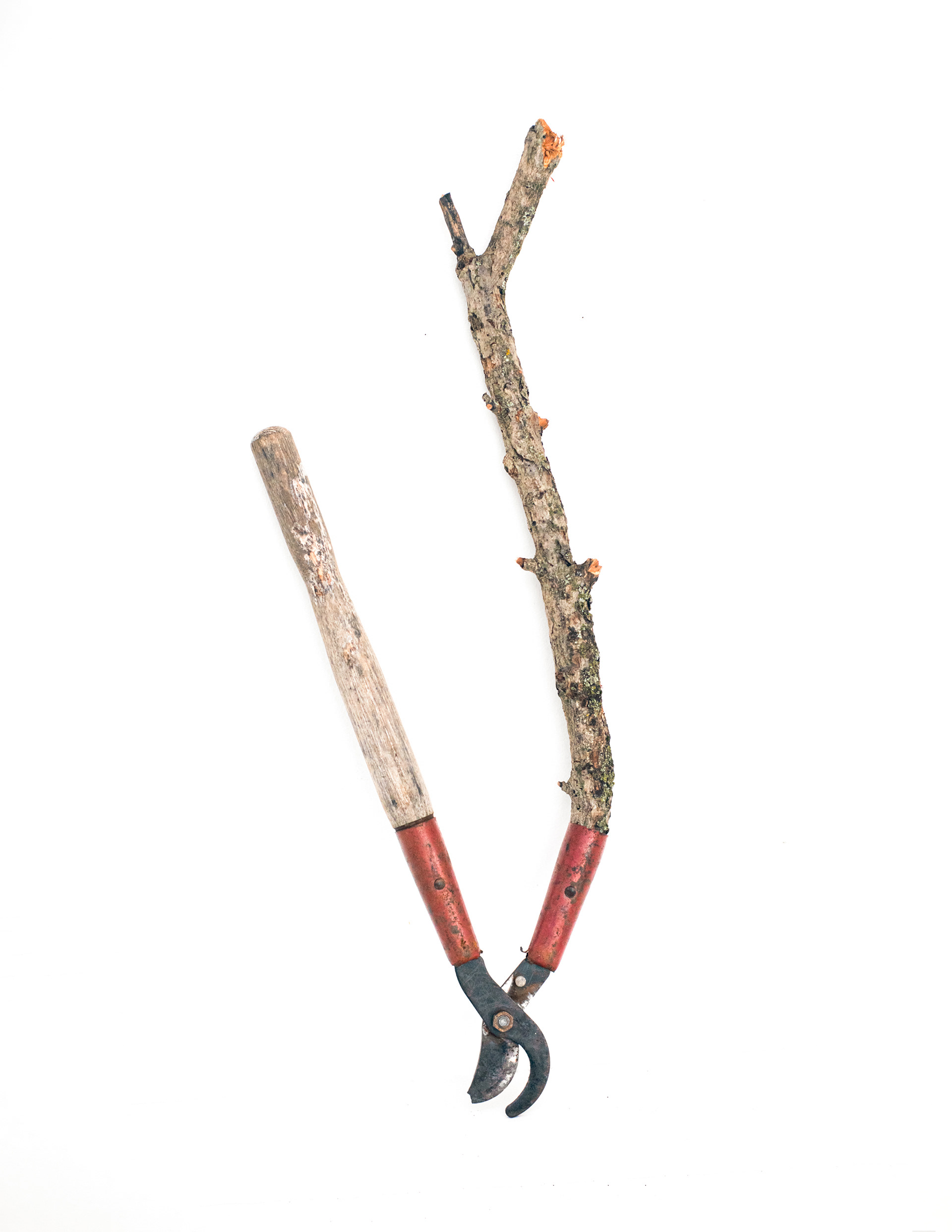
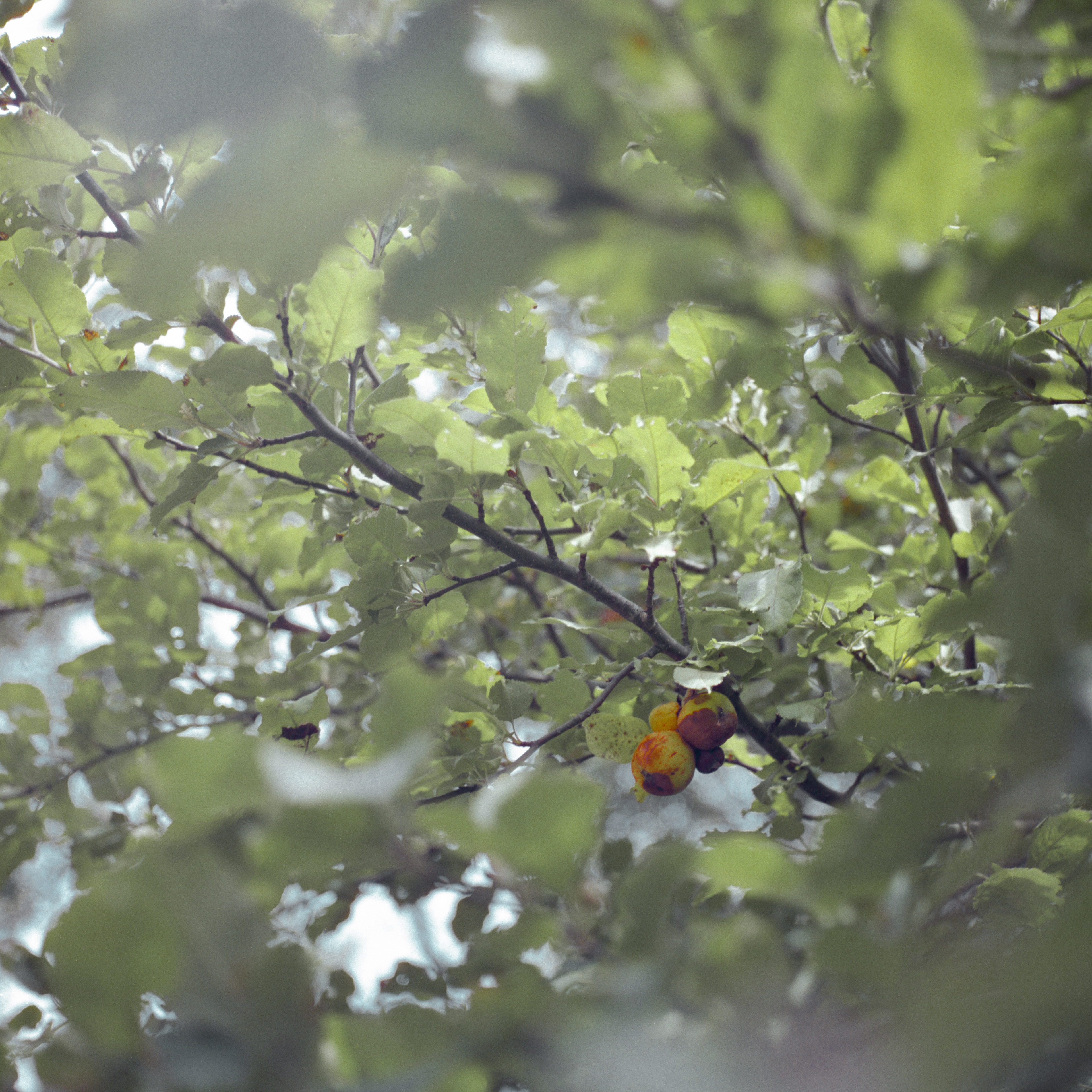
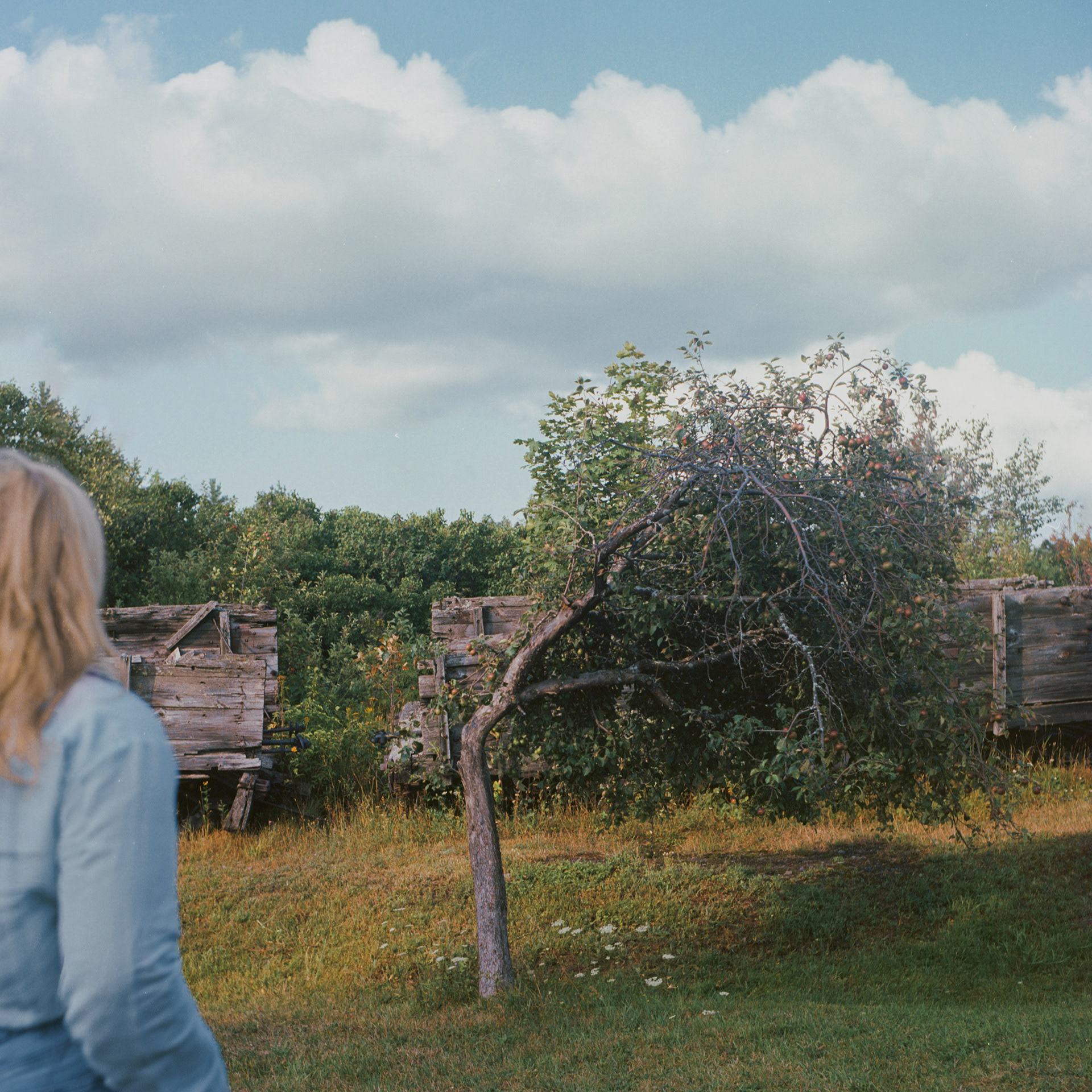
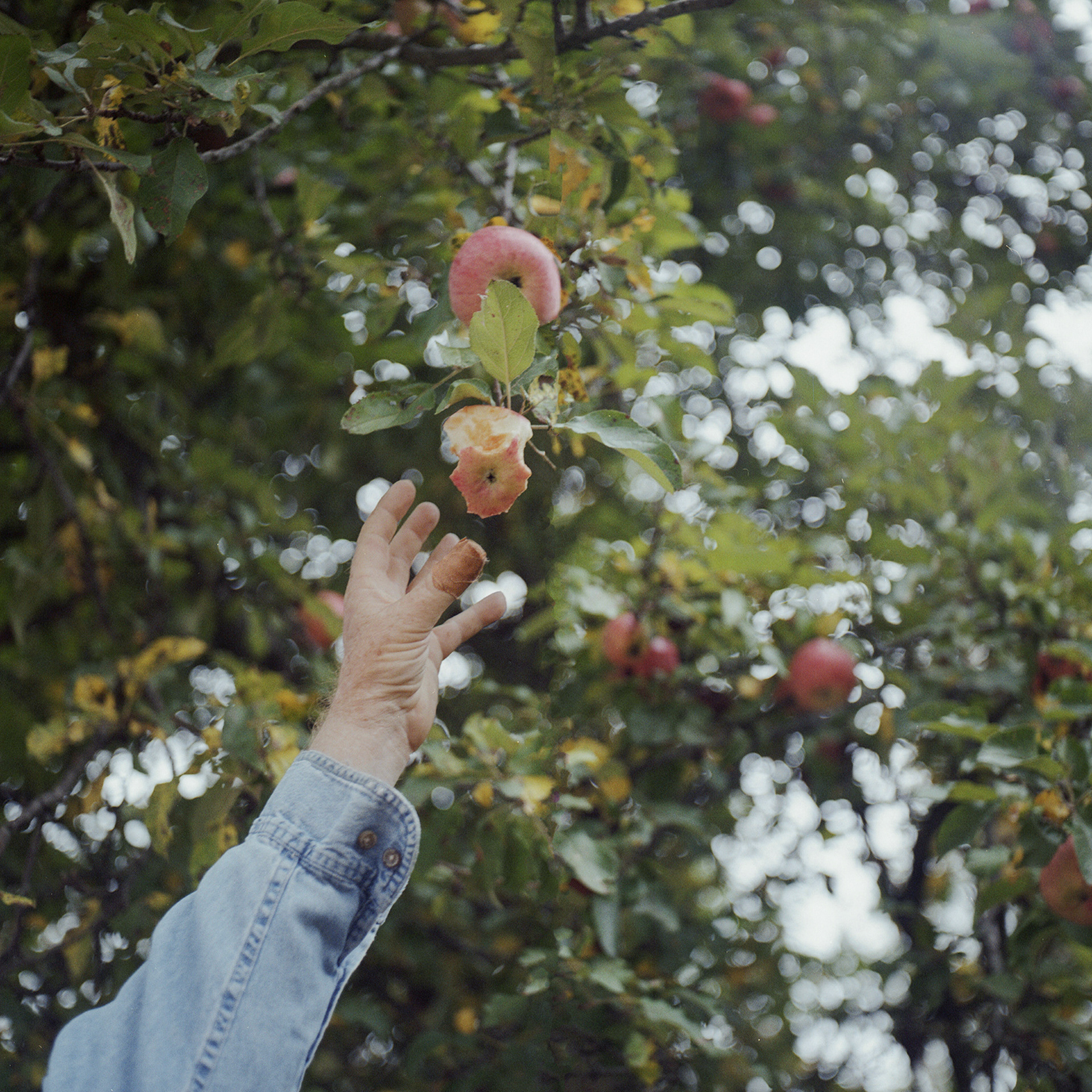
My father works in ways that are clever, unconventional, and resourceful. He grafts apple trees across the property—a technique that allows multiple apple varieties to grow from one tree. Over the past four years, I’ve made it a ritual to photograph him each time I return home. During one visit, I photographed him pruning the apple trees when the handle of his shears broke loose. He picked up a cut branch and fit it into the tool to keep working. In observing this, I began to understand his body, labor, and land as extensions of one another, moving through the same cycles of resilience.
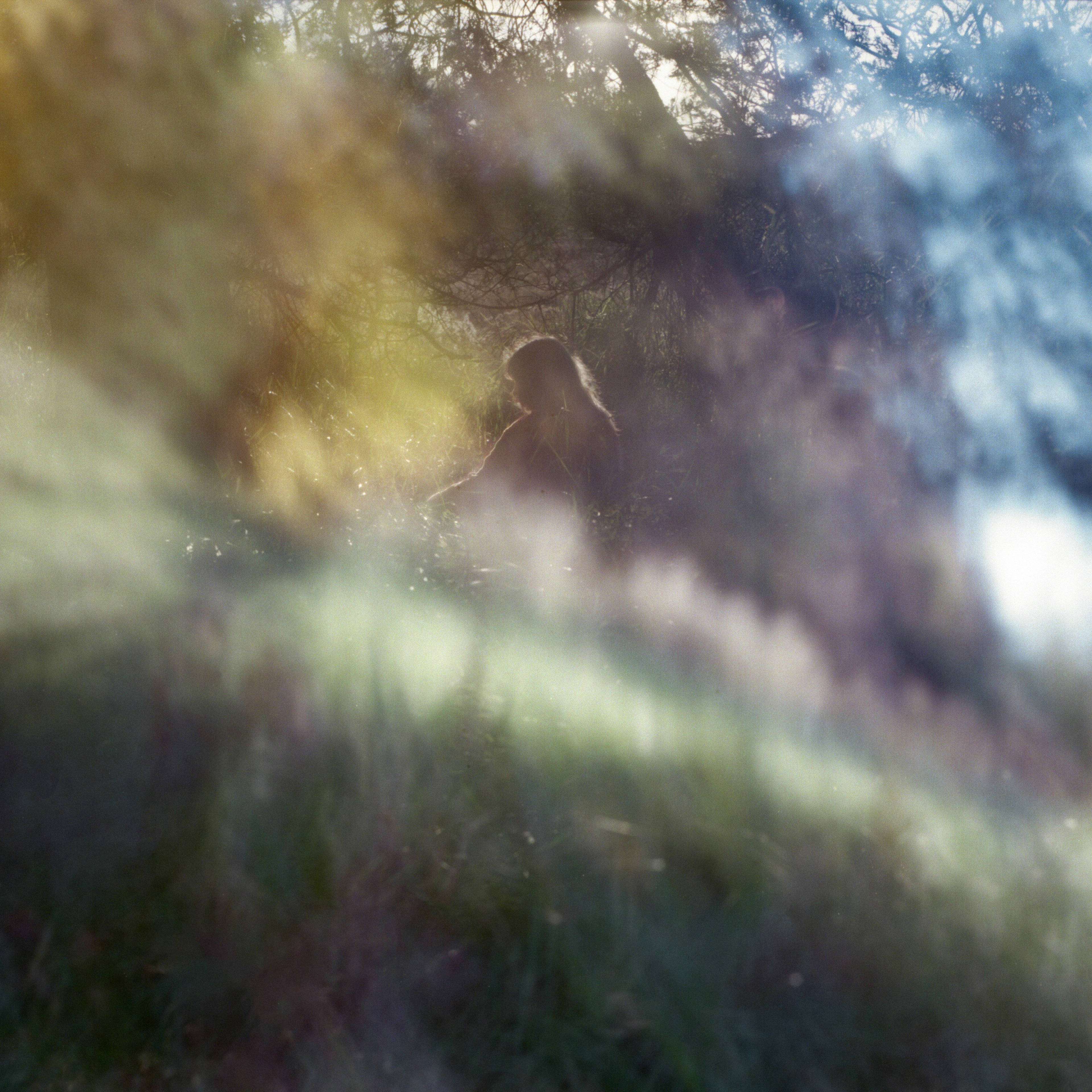
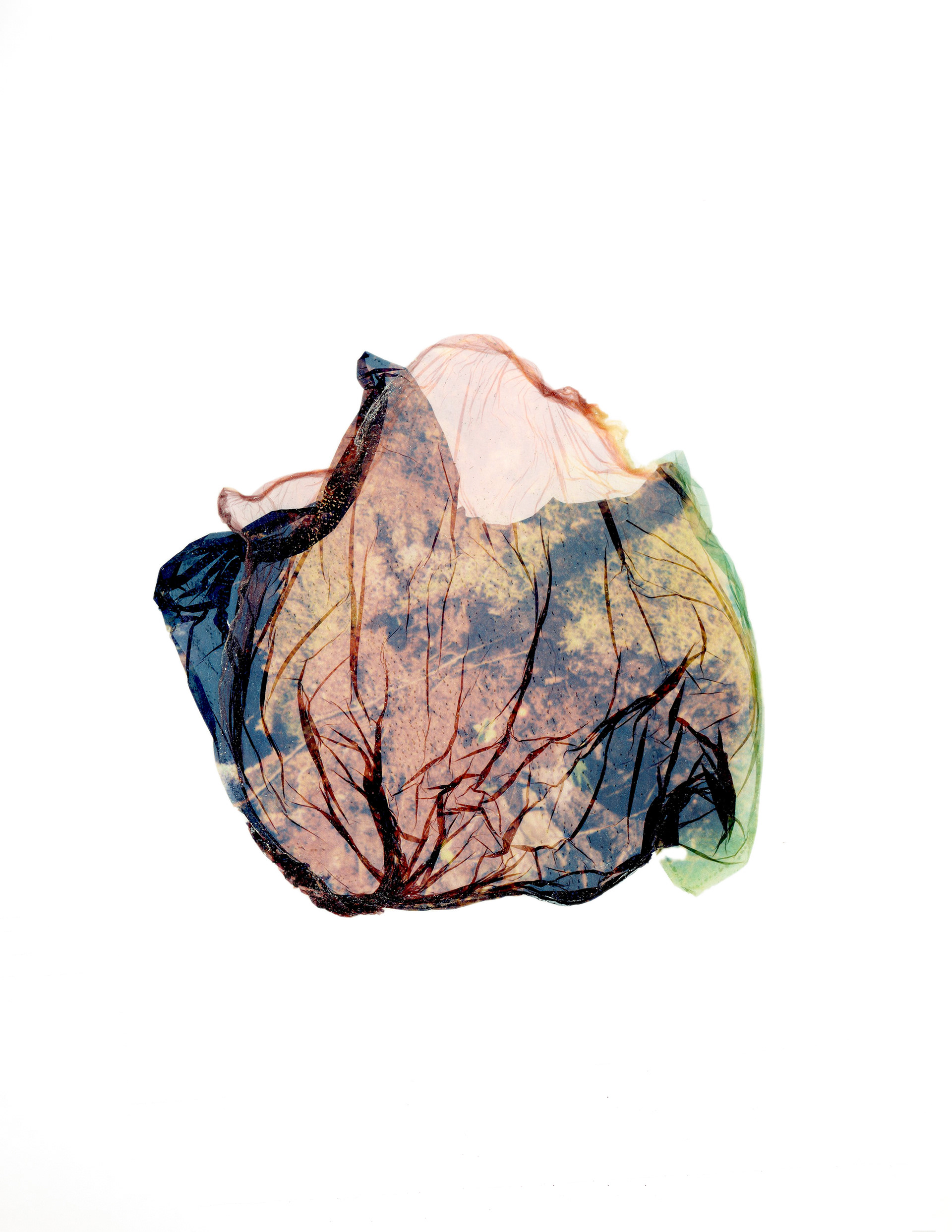
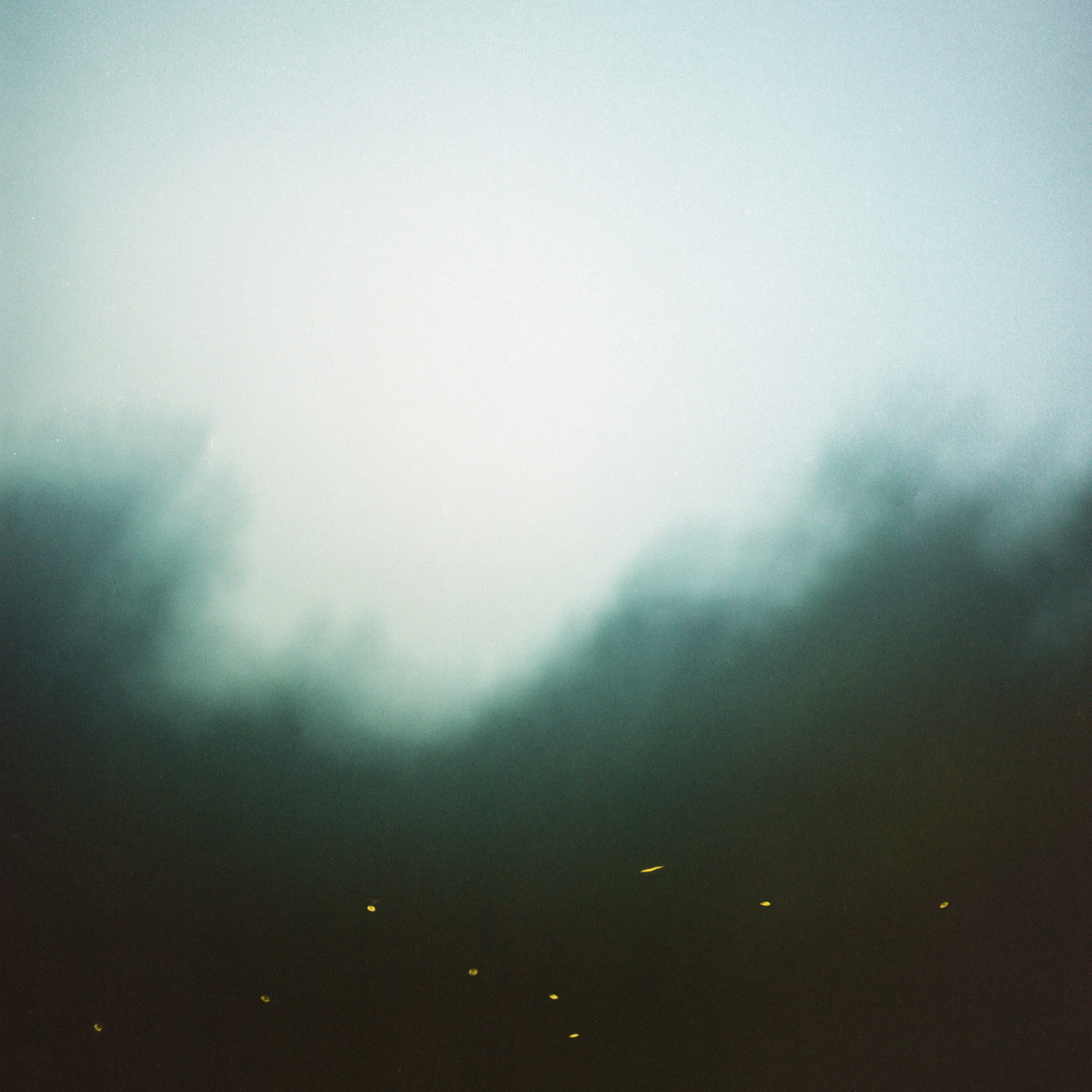
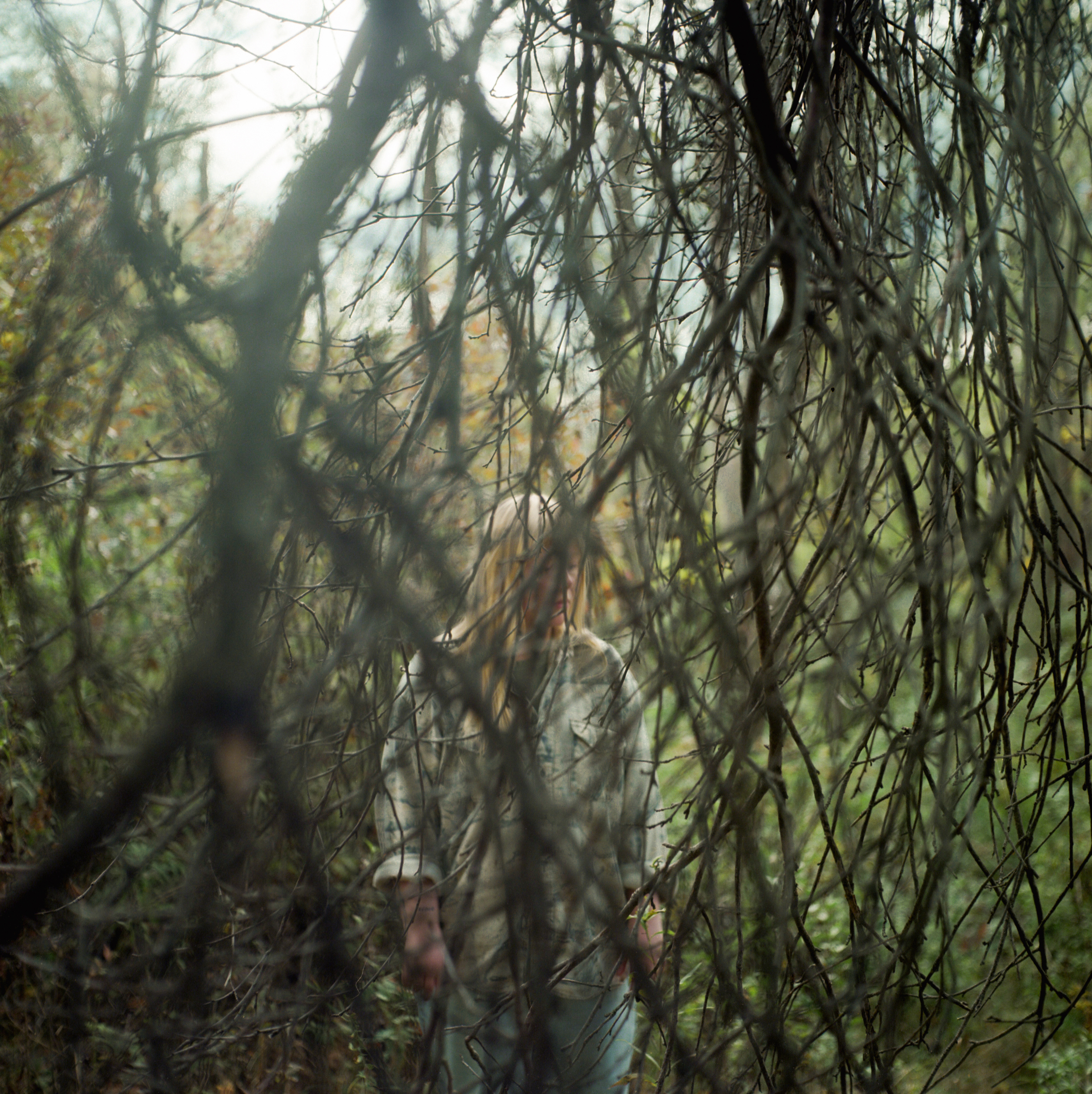
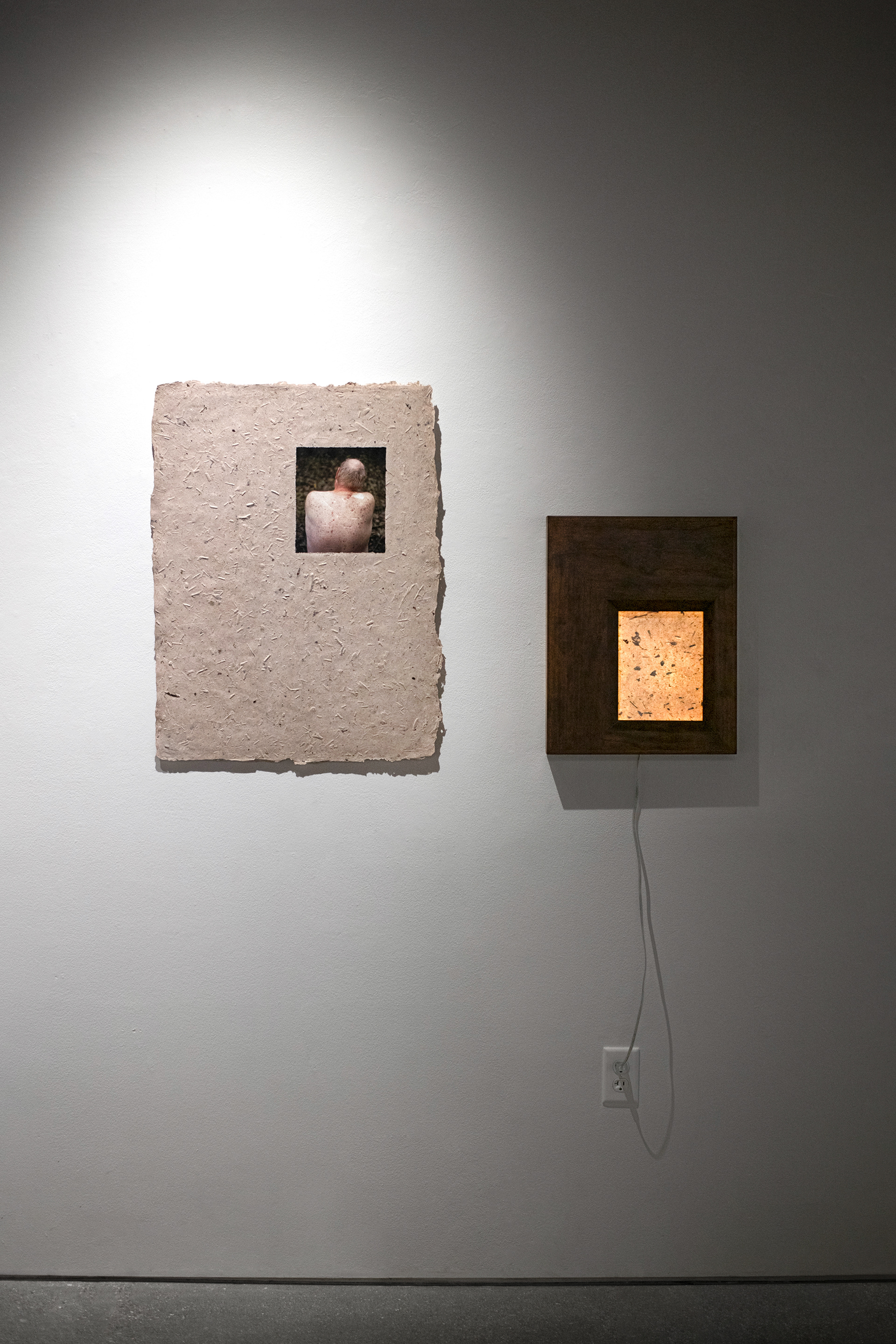
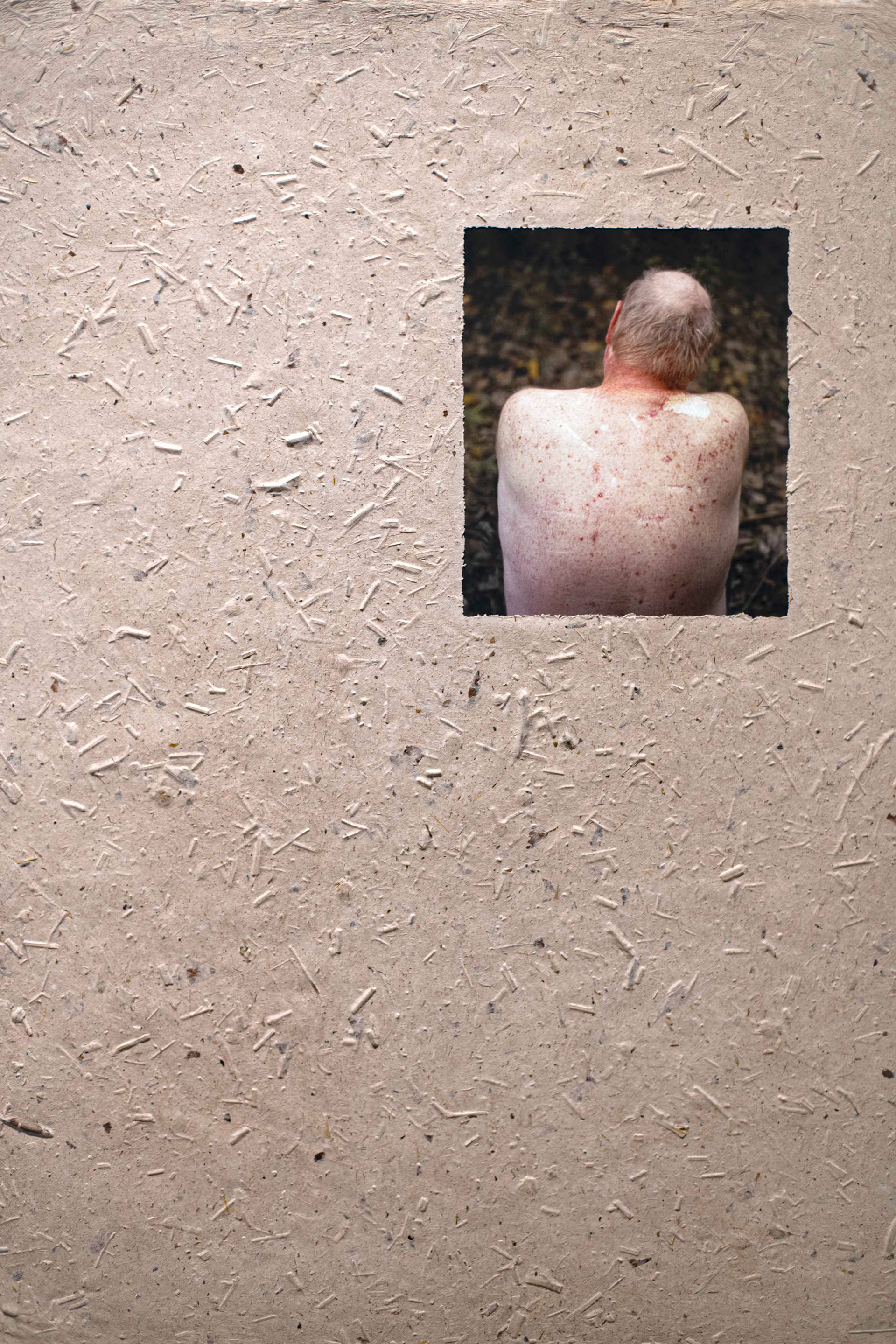
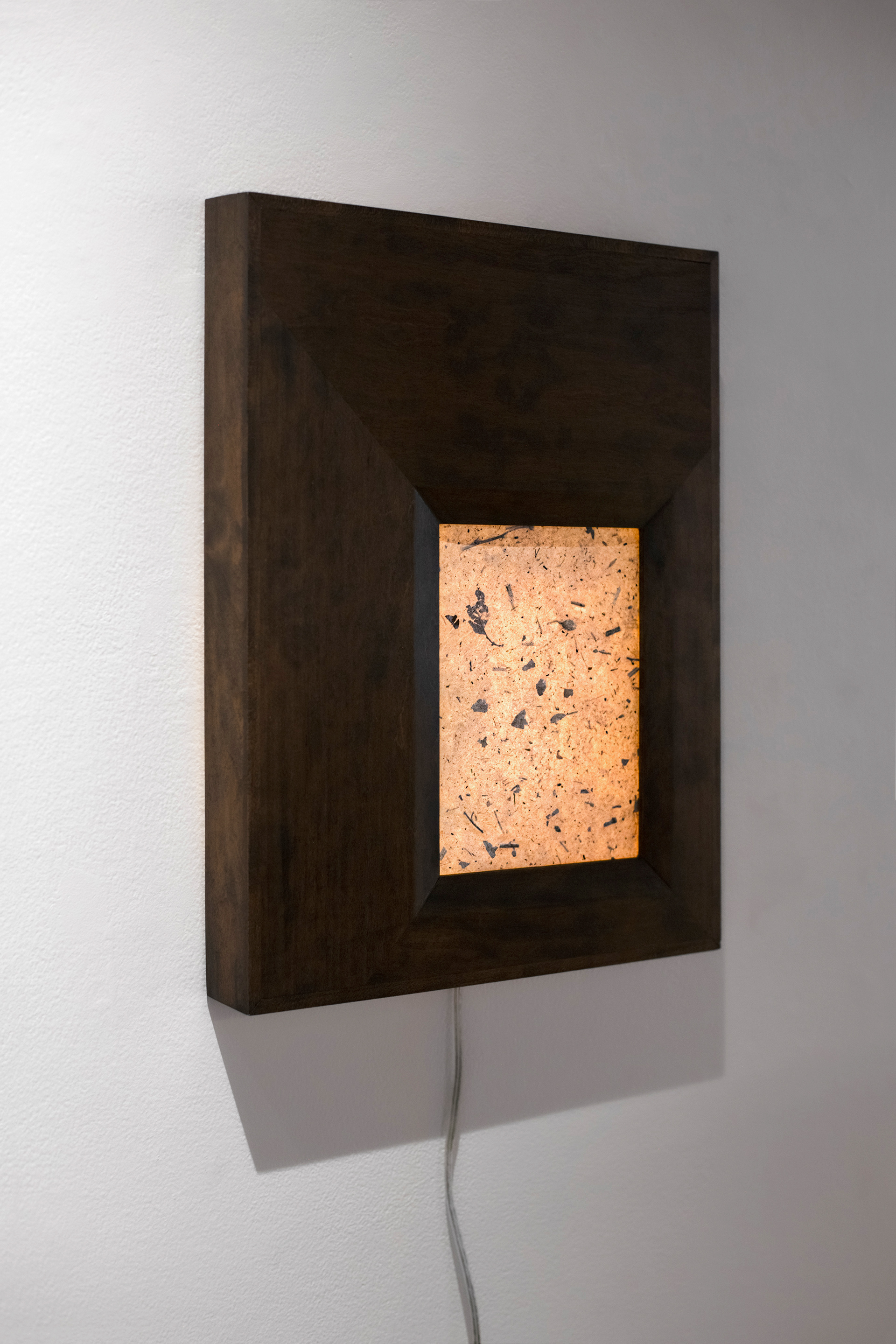
Through medium-format color photography, I pair imagery of his grafted apple trees, repaired tools, skin graft scars, and obscured self-portraiture within a quietly surreal ecology. Inspired by my father’s working methods, I began incorporating more tactile forms of making into the project: a Polaroid emulsion lift of the forest floor transforms photographic imagery into a delicate, skin-like surface. Extending these ideas materially, I created handmade paper from cotton fibers and invasive plant material identified and collected alongside him. The paper surface evokes both the texture of skin and the invasive spread of cancer cells across his body. The paper itself becomes a site of grafting, cut open to reveal a photograph of his scarred back. The excised paper cutout is placed within a custom frame and illuminated from behind, invoking surgical examination and the preservation of specimens in reference to cabinets of curiosity.
Through sites of grafting, the work explores how working-class knowledge, the disabled body, and intergenerational collaboration is preserved and reimagined through photography.